

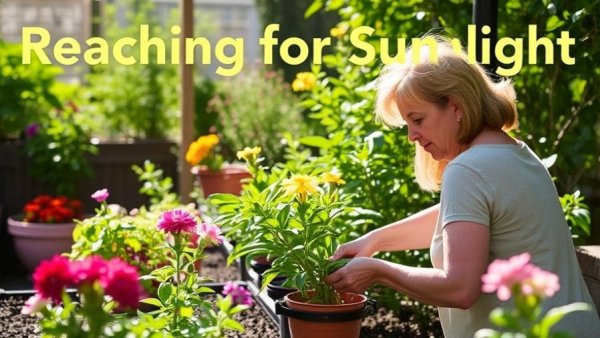
Unpacking the Healing Power of Gardening
Horticultural therapy is gaining recognition as a powerful tool for mental health, especially for those grappling with depression. As we explore the impact of gardening on emotional well-being, it’s crucial to understand its roots—both literally and figuratively. Just as a plant emerges from a tiny seed, with patience and care, we too can cultivate resilience against life’s adversities.
Why Gardening Matters for Mental Health
Gardening connects us to nature, fostering a sense of accomplishment and peace that is often hard to find elsewhere. Engaging in this activity not only provides a therapeutic escape but also encourages mindfulness and physical activity. Studies have shown that spending time outdoors, particularly in gardens, can significantly reduce feelings of anxiety and depression. For individuals like me, who have experienced the heavy burdens of mental illness, gardening serves as an accessible path to healing.
Building Resilience: A Personal Journey Through Depression
Reflecting on my own journey with depression, I recall how transformative nature became during my darkest days. Initially prescribed antidepressants, I quickly learned the importance of stepping outside and letting the serenity of nature ground me. The therapeutic practice of gardening became not only a coping mechanism but also a source of joy and community. Sharing flowers with others offers a unique fulfillment that enhances our emotional connections, something deeply needed, especially during challenging times.
The Growing Interest in Horticultural Therapy
In recent years, the pandemic has encouraged many people to explore gardening as a form of self-care. As we emerged from isolation, the allure of nurturing plants became not only a source of beauty but also a vital reminder of our resilience. If you’ve yet to venture into your own outdoor garden, it’s never too late to start. Whether you have a vast backyard or a small balcony, the act of planting and tending to your own garden can bring renewed hope and connection to your life—and your mental health.
The Embrace of Nature
As we reflect upon the importance of horticultural therapy, we must emphasize that everyone experiences depression differently. For some, gardening is a gateway to healing, while for others, it might mean seeking professional help. Regardless of the path taken, pursuing methods that foster joy, connection, and emotional well-being is essential. So why not embrace the outdoors and see how gardening can bring a little sunlight into your life?




Write A Comment