

Understanding pH Management in Your Pool
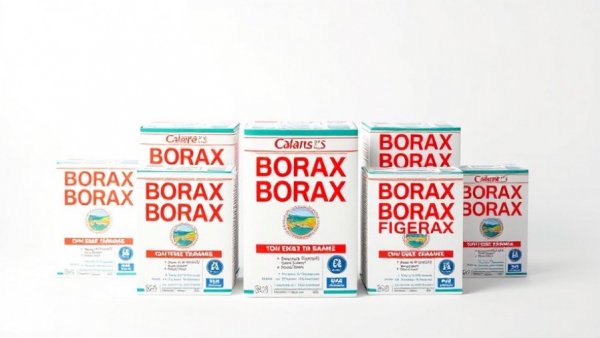
Maintaining the right pH level in a swimming pool is crucial for ensuring clear water and the effective functioning of chlorine. A balanced pH (between 7.4 and 7.6) not only enhances the swimmer's experience but also prolongs the life of pool equipment. If your pool’s pH is low, using Borax (sodium tetraborate) can be a cost-effective method to adjust it. Borax, commonly known for its use in laundry as a stain remover, has a natural alkalinity that helps raise pH levels without significantly affecting total alkalinity.
Why Choose Borax Over Other Alternatives?
Borax is often touted as a cheaper alternative to commercial pH increasers. For those on a budget, this natural mineral found in the laundry aisle can accomplish the same goal of balancing pH. Compared to soda ash, which has a more aggressive pH of 11.4, Borax is milder with a pH range of 9.2 to 9.5, making it less likely to create drastic pH swings. This gentler effect helps your pool water remain comfortable for bathing, preventing irritation to the skin and eyes.
Assessing the Benefits and Misconceptions
Despite numerous positive anecdotal claims, it's essential to understand that simply adding Borax won't prevent algae growth entirely. A well-functioning pool requires a multifaceted approach: maintaining chlorine levels, balancing alkalinity, and regularly testing water chemistry. While some pool enthusiasts may argue that Borax and baking soda can singlehandedly keep pools crystal clear, the reality is that diligent maintenance and chemical balancing are necessary.
Future Predictions in Pool Water Care
As environmental awareness rises, more pool owners are seeking natural solutions for pool care. The rise in popularity of using Borax can be viewed as a step toward sustainable pool management. While its benefits are linked to pH management, experts suggest it can contribute to the overall health of pool ecosystems when used responsibly, paired with other methods.
The Importance of Knowledge in Pool Ownership
For prospective pool owners, understanding how Borax and other chemicals affect water chemistry is key. Knowledge empowers pool owners to make informed choices, from selecting the right products to understanding the balance between cost and effectiveness. Resources such as Swim University offer step-by-step plans to help maintain pool water clarity and hygiene, simplifying pool ownership.
Final Thoughts: Effective Pool Management
Ultimately, the main takeaway when considering Borax for your pool is to remember its role in a comprehensive pool care strategy. While it can help raise your pH effectively, it shouldn't be relied on as a sole solution for algae control or overall water management. As you explore natural alternatives, maintaining consistent testing and chemical balancing routines is essential for a perfect pool experience.





Write A Comment